
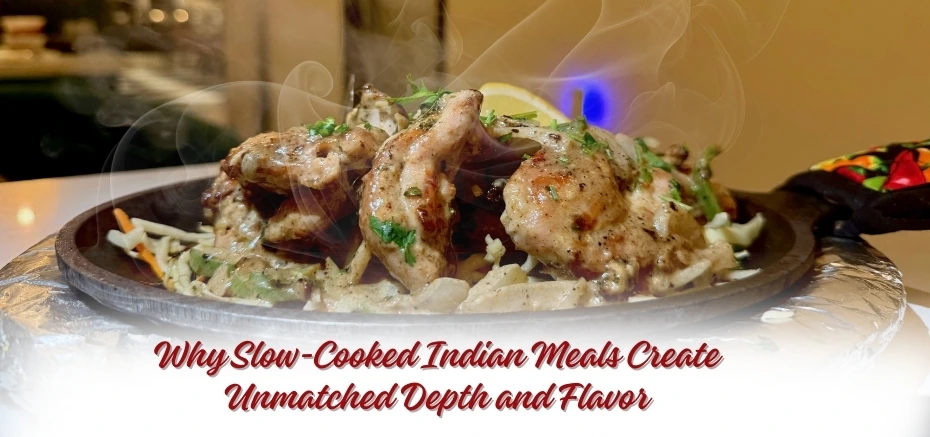
Slow-cooked Indian meals leave a long-lasting impact because they require time to prepare and savor their complete taste experience. The process moves forward through sequential steps, which take their time to develop complete results through deliberate design that enables natural spice and ingredient combinations. The core of traditional Indian cooking exists in its practice of using time as a fundamental component, which chefs need for their culinary work.
At Tabla Indian Restaurant in Lake Nona, slow cooking exists as a time-tested method that brings out genuine Indian culinary traditions from the past to the present.
The Art of Slow-Cooked Indian Cuisine
Indian cuisine is based on both technique and taste. There is a reason that there is a warm saute of onions to spice tempering and long simmers. Slow cooking allows time to be used to allow flavors to develop and create a balance rather than just heat. This is why Indian food is so soothing, full, and good, but not heavy.
In India, slow cooking is also present in curries, lentils, meat dish and vegetarian gravies. The object is similar everywhere: richness of flavor, which cannot be in a hurry.
How Slow Cooking Enhances Indian Spices and Aromas
Indian cooking relies heavily on spices—but not in the way many assume. It’s not about making food spicy; it’s about releasing aroma and complexity.
In the case of spices being cooked slowly:
Essential oils are released gently, not burned
Bitter changes into gentleness.
Gravies and proteins are infused with aromas.
Flavors do not conflict with each other.
This controlled process is why Indian curries slow-cooked taste layered and balanced. You don’t taste one spice—you taste the whole story.
Popular Slow-Cooked Curries You Must Try
There are the most popular Indian foods whose fame is owed to time. Simple ingredients are transformed into dishes to remember with the help of slow simmering.
Butter chicken becomes rich as the tomatoes, butter, and cream are reduced together. Spice infuses Rogan Josh with a warm, settled texture in juicy meat. Dal makhani only softens after hours of slow cooking. There is no way to hurry up with such flavorful Indian dishes and leave a soul behind.
Vegetarian Slow-Cooked Dishes Full of Flavor
Slow cooking is really the best vegetarian dish. Absorbing spice slowly; lentils, beans, paneer, and vegetables are prepared as dishes that are both comfort-based and have unbelievable depth.
Chana masala, vegetable korma, and slow-simmered dal demonstrate that meat is not needed for richness. Vegetables tend to be even more favored by slow cooking, taking in all the layers of seasoning and smell.
The Science Behind Tender Meats and Rich Gravies
Slow cooking is more than a tradition; it’s a science.
Lower temperatures over longer periods allow:
Collagen in meats is to be broken down gently
Fibers to soften without drying
Gravies to thicken naturally through reduction
Flavors to penetrate instead of sitting on the surface
That is why slow-cooked food is tasty and even lavish. The food and its taste combine to produce complete meals.
Why Tabla Perfects Slow-Cooked Indian Recipes
Slow cooking at Tabla is not a trend, but rather a commitment to authenticity. Our recipes are based on old, tested procedures to make the spices bloom and the ingredients shine.
Instead of shortcuts, Tabla focuses on:
Conventional methods of preparation,
Low cooking of the curries and gravies
Heat and time taken care of,
Cultural respect for regional cuisine.
It is that commitment that makes the foods of Tabla richer, warmer, and more satisfying to a guest who may wish to find Indian food near me.
Pairing Slow-Cooked Meals with Rice, Naan, and Sides
Foods that are slow-cooked should be carefully matched. Rice and bread are not fillers; they are adding necessities for a better experience.
Basmati rice absorbs the gravies without dominating them. Naan picks and serves up sauces. Raita freshens up and cleanses the palate. A combination of these components allows the main dish to shine and ensures the balance of each bite.
Tips for Enjoying Slow-Cooked Indian Meals at Home
Indian slow-cooked meals are meant to be enjoyed by slowing down and appreciating the journey from curry to dessert. Let the aromas guide you, gently mix rice with curry, and explore different bites using naan. Notice how the flavors deepen as the food rests for a few minutes—one of the beautiful qualities of slow-cooked Indian meals, which often taste even better after they’ve been served for a while.
Appreciating slow cooking is about patience, presence, and letting food be the centerpiece.
Conclusion: Experience Unmatched Flavor Through Traditional Cooking
Indian food culture is all about low cooking. It transforms simple dishes into those foods that remain in mind and gives them warmth, depth, and comfort. In our booming world, we tend to lose patience to wait till we have something as special as traditional Indian cooking.
When you are in the mood for meals with a serious personality, spice-layered, and warm richness, slow-cooked Indian dishes are the way to go. This practice exists with pride in Tabla.
Ready for Perfect Meal – Book on OpenTable!
FAQs
Q1: What are slow-cooked Indian meals?
Indian cuisine is prepared as a slow-cooked recipe, using a mixture of spices and ingredients by cooking over many hours. The result produces better taste and improved texture and creates a balanced smell.
Q2: What dishes are best slow-cooked?
Food items that require slow cooking include curries, lentils, gravies, and meat. The three main dishes that define this cuisine are dal makhani, butter chicken, and rogan josh.
Q3: Why do slow-cooked Indian dishes taste better?
Slow cooking frees the aromas of the spice gradually and allows flavors to come out in their entirety. This gives more richness of taste, yet it is not too hot.
Q4: Are vegetarian dishes suitable for slow cooking?
Vegetarian alternatives follow a different path. Slow-cooked lentil beans, vegetables, and paneer create vegetarian dishes that absorb spices and deliver strong flavors without chicken.
Q5: Can I enjoy slow-cooked meals at Tabla?
Yes. Tabla is a restaurant that promotes the traditional Indian slow-cooked dishes, with its emphasis on authentic flavors and attention to preparation.
Q6: How should I pair slow-cooked Indian meals?
Basmati rice, naan, and raita should be combined with slow-cooked Indian dishes. The combinations create a rich dining experience, which enhances the overall dining experience.